What is the Relationship Between Architectural BIM and 3D Modeling Techniques?
How to Prepare Architectural Presentations with Architectural BIM?
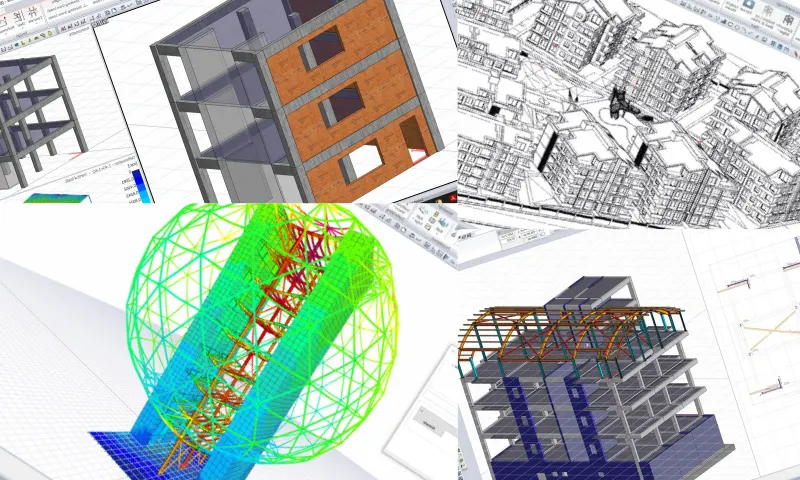
Architectural BIM (Building Information Modeling) is closely related to 3D modeling techniques, but it is not just a 3D modeling tool; it is a comprehensive approach that also provides building information integration. 3D modeling allows for the three-dimensional visualization of architectural projects but is used solely for visual presentation. BIM, on the other hand, goes beyond 3D modeling by enabling the integrated management of building components, material properties, costs, and timelines. This allows architects, engineers, and other stakeholders to work more cohesively and efficiently at every stage of the project. For more detailed information about Architectural BIM, you can visit the web address https://idecad.com/architecture-engineering-construction/building-design/bim-for-architects/.
What is the Role of Architectural BIM in the Design of Sustainability and Green Buildings?
Architectural BIM is an effective tool for preparing architectural presentations. The BIM model can automatically generate various presentation tools such as 3D visualizations, sections, plans, and perspectives. This allows architects to present their projects realistically and impressively. The Architectural BIM database feature makes it possible to integrate information such as project costs, material quantities, and timelines into presentations. This provides the opportunity to show clients or other stakeholders the visual and financial aspects of the project in detail. Architectural BIM plays a significant role in the design of sustainability and green buildings. Thanks to BIM's integrated database and analytical tools, architects can integrate sustainability criteria such as energy efficiency, material selection, waste management, and water conservation into the design process. Through this integration, architects can simulate the performance of green buildings in advance, making it possible to design buildings that save energy and have less environmental impact. BIM's collaborative features facilitate sharing sustainability goals with all project stakeholders and collaborating to achieve these goals.