
The Origins and Evolution of Opera: From Italy to the World Stage
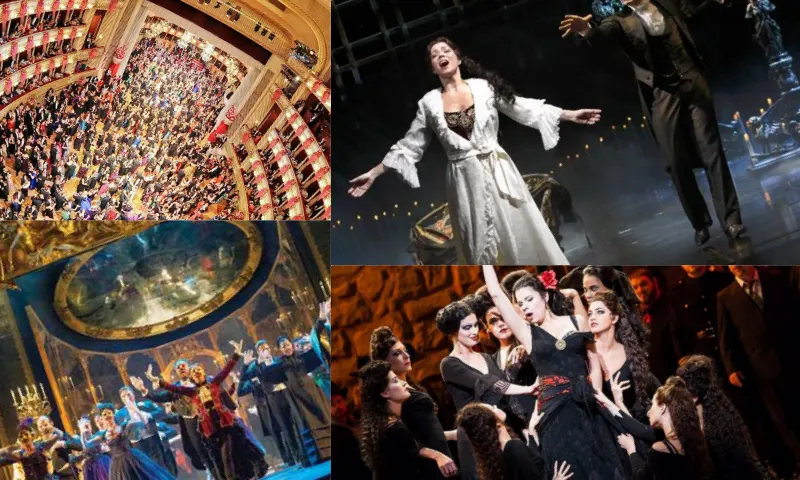
Opera, a musical stage art form, was born in Italy in the 17th century and later spread worldwide. Early operas were typically based on historical or mythological stories, combining music, singing, dance, and stage design to offer an impressive visual and auditory experience. Over time, opera has evolved in different cultures and periods, developing various genres and styles. From the Baroque to the Romantic era, from bel canto to verismo, opera encompasses a rich history and musical diversity.
The Fundamental Elements and Functioning of Opera: The Fusion of Music, Singing, Theater, and Stage Design
Opera is a complex performing art that incorporates many art forms. Music, singing, theater, dance, and stage design are the fundamental elements that constitute opera works. Opera works are generally guided by a libretto (text) and are staged accompanied by an orchestra. Singing forms the backbone of opera, particularly uniting with different voice types such as soprano, tenor, alto, and bass during grand and emotional moments. The opera stage is supported by rich sets, costumes, and lighting, offering the audience a visually striking experience.
The Social and Cultural Impacts of Opera: The Unifying and Transformative Power of Art
Opera represents not only music and stage performance but also a social and cultural phenomenon. The themes of opera typically address universal subjects such as human nature, love, war, politics, and tragedy. Therefore, opera works play a unifying role by bringing together audiences from different cultures. Furthermore, the impressive and dramatic structure of opera can leave a powerful emotional impact on the audience, prompting thought and emotional transformation. Opera continues to exist as an art form that unites societies, celebrates cultural richness, and deeply affects human emotions.