
Tile Art: Its History, Techniques, and Current Place

Tile art, a traditional decorative art whose origins date back to Central Asia, showed great development especially during the Seljuk and Ottoman periods. Turks combined this art with Islamic art, creating unique motifs and patterns. Tile, which was intensely used as architectural decoration during the Anatolian Seljuk period, gained an important place in the interior and exterior decoration of structures such as mosques, palaces, and tombs during the Ottoman period. One of the most famous Ottoman tile centers is Iznik, where artists took this art to its peak with their unique colors and patterns. You can examine this subject in detail by looking at related online companies on web pages to get information and ask your questions.
Techniques Used in Tile Art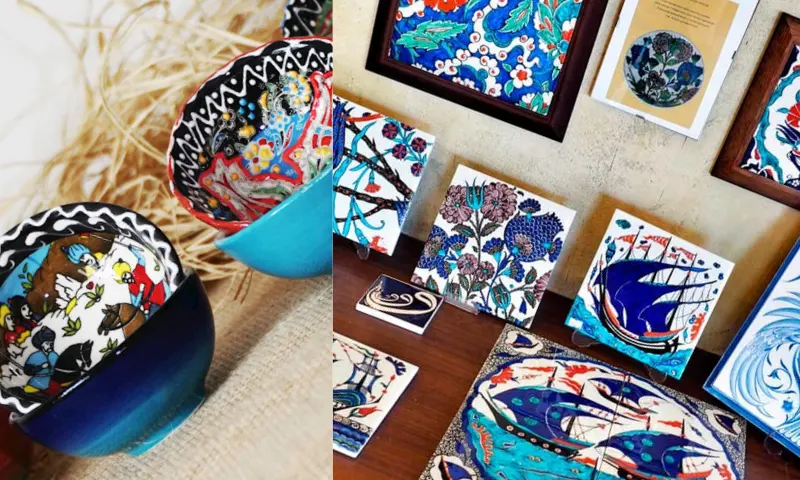
The main techniques used in tile art are divided into two categories: glazed and unglazed tile techniques. In the glazed tile technique, the surface is covered with a glossy coating, while a more matte appearance is achieved in the unglazed tile technique. One of the most well-known techniques is blue-and-white Iznik tiles. These tiles have patterns adorned with shades of cobalt blue and turquoise. Additionally, methods such as brushwork, scratching, and screen printing are among the common techniques used in tile art. Artists create detailed motifs and figures with various brush techniques, lending tile its unique aesthetic.
The Place and Importance of Tile Art Today
Today, tile art holds great importance in the preservation and perpetuation of traditional handicrafts. Tile production continues in cities like Iznik and Kütahya, which are traditional tile production centers, and artists adapt this art to contemporary decoration by combining modern designs with traditional motifs. Furthermore, tile art is taught in educational institutions and workshops, thus being passed on to future generations. Tile is used not only as architectural decoration but also in souvenirs, kitchenware, and modern artworks. Considered a traditional heritage, tile art is protected under cultural heritage by UNESCO and attracts great interest worldwide.