The Body's Exaggerated Defense Mechanism
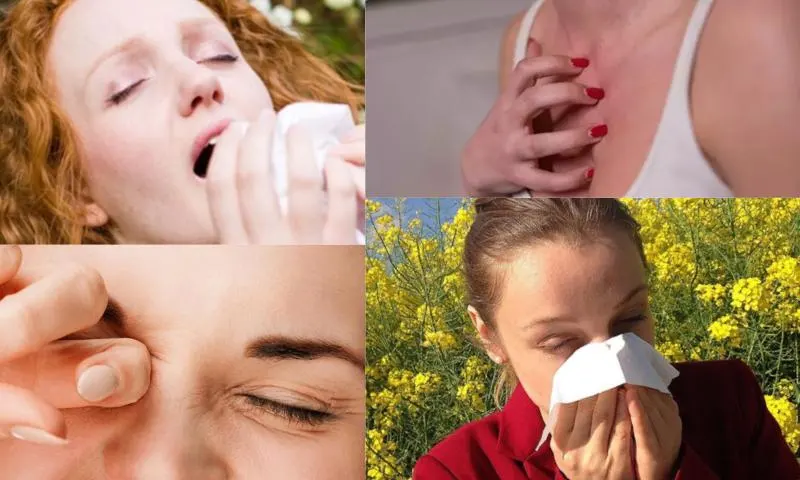
An allergic constitution is defined by the immune system's overreaction to substances that are normally harmless. Substances like pollen, dust, animal dander, certain foods, or medications can cause symptoms such as runny nose, sneezing, itching, and rashes in allergic individuals. In reality, these substances do not pose a threat to healthy individuals; however, an allergic constitution treats these stimuli as "enemies." This can negatively affect a person's daily life, and discomfort may increase, especially during seasonal changes. To get information on this topic and ask your questions, you can look at the relevant online firms on web pages and conduct a detailed review from there.
Causes and Influencing Factors
Genetic factors play a significant role in the development of an allergic constitution. If either the mother or father is allergic, the child's likelihood of being allergic increases. In addition, environmental conditions, air pollution, stress, and lifestyle can also affect the severity of allergies. While food allergies are more common in childhood, factors like house dust and pollen can cause problems at any age. An allergic constitution can sometimes pave the way for chronic conditions such as asthma, eczema, or hay fever.
Living with Allergies is Possible
Having an allergic constitution can reduce quality of life; however, it is possible to manage this condition. First, it should be determined which substances cause allergies in the individual, and these substances should be avoided as much as possible. Antihistamine medications or immunotherapy may also be applied under medical supervision. Frequent ventilation at home, reducing items like carpets and furnishings that harbor dust, and using natural cleaning products can also make daily life easier. Adopting a conscious lifestyle against allergies is quite effective in alleviating symptoms.