
The Importance of Educational Games

Educational games are fun activities that support children's learning processes and promote their development. These games help children develop their social, emotional, physical, and mental skills, while also increasing their problem-solving abilities. Educational games enable children to use their imagination and contribute to the retention of learned information. Through games, children can more easily understand different concepts and information, develop their social skills, and learn important values such as teamwork. Furthermore, educational games strengthen concentration skills by increasing children's attention spans. For information on this topic and to ask your questions, you can look at related online companies on internet pages and examine them in detail.
Different Types of Educational Games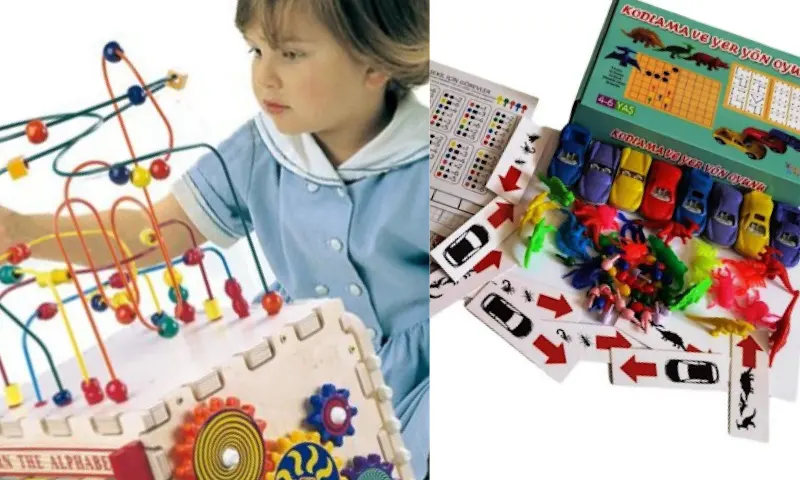
Educational games come in various types and target different skills for children of all ages. **Board games** help children develop strategic thinking skills, while **puzzle games** support problem-solving abilities. **Interactive applications** and **software** offer children a fun learning experience by utilizing the possibilities provided by technology. For example, applications that make mathematical operations enjoyable can strengthen children's relationship with numbers. **Creative games** develop children's imagination, while **social games** encourage friendship and cooperation skills. Additionally, **nature-themed games** increase children's environmental awareness and strengthen their interaction with nature.
Selection and Implementation of Educational Games
When selecting educational games, it is important to pay attention to their age appropriateness, game content, and the learning skills they aim to develop. Games that appeal to children's interests positively affect their motivation and learning processes. Furthermore, games that can be played in a group strengthen social interaction and communication skills. Parents can both have fun and participate in the learning processes by playing games with their children. In the implementation of such games, guidance from parents or teachers allows children to enjoy them more and benefit more from them. Asking questions and having discussions with children by educators and parents enriches the game experience. In conclusion, educational games are of great importance as fun and educational activities that support children's learning processes. Children can develop various skills through these games while having a good time. Therefore, educational games hold an indispensable place in children's education.