Interesting Facts About Oil and Investing in Oil
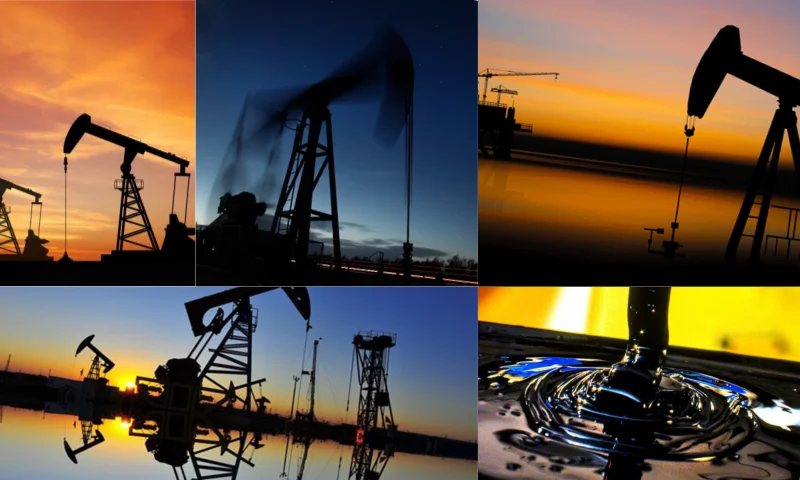
To define oil: it is an unrefined, naturally occurring, flammable mineral oil extracted from underground, dark in color, with a characteristic odor, and denser than water, composed of hydrocarbons. It is formed by the combination of the Latin words "petra" meaning stone and "oleum" meaning oil. Oil holds a very important place in the global economy. Crude oil, in particular, is called "black gold" due to its color and high material value. It is used in a wide variety of fields such as industry, energy, automotive, transportation, cosmetics, chemistry, and pharmaceuticals.
It has been used since the 4th century AD
After the 4th century, oil became a turning point for many countries. Generally, crude oil prices show great sensitivity to political and economic developments. With rising prices and increasing costs, there is also an increase in the sectors where oil is used in a country. As oil producers, the increase in geographical risks in the Middle East causes high fluctuations in oil prices. Factors such as the oil reserve amounts of countries, global climate change, energy demand, economic development, and changes in supply-demand balance are highly important elements affecting prices. The Organization of the Petroleum Exporting Countries (OPEC) affects the supply of oil by increasing or decreasing production among its member countries. OPEC generally influences crude oil and balances its supply according to its wishes. Crude oil, which has a high trading volume in global trade, has a very high trading volume among commodities, especially in the Forex market. Trading oil in the Forex market, which is a global market, is very easy. It does not require space for storage and warehousing. The ease of trading crude oil in the market, coupled with the availability of investment opportunities in its price declines and increases, increases interest in this commodity. Oil is so valuable and has become such an integral part of our lives that the 1973 oil crisis is unforgettable. Its repercussions continue to be felt. The OPEC members declared an oil embargo on October 15, 1973, in response to the United States' support for the Israeli Army in the Yom Kippur War. OPEC's decision not to export oil to the US and countries that sided with Israel in the war led to an increase in oil prices and increased the resources entering their countries. Although alternative products to oil began to be sought after this crisis, it still maintains its importance significantly. Looking at the last 20 years, it experienced its lowest level in history in 1998 at $14.74. In 2008, its highest level in history was recorded at $143.66.