Definition and Process of Glass Production
Glass production is an industrial process where glass material is obtained by melting and cooling various raw materials. Glass is generally formed by mixing raw materials such as silica, soda ash, and limestone in specific proportions and melting them at high temperatures. The glass melting process can be done by different methods, but techniques such as "float glass" or "glass melting furnaces" are commonly used. For information on this subject and to ask your questions, you can look at related online companies on web pages and examine them in detail from here.
Glass production consists of the following steps:
- Preparation of Raw Materials: Silica, soda ash, limestone, and other components are prepared in specific proportions in advance.
- Melting Process: The prepared raw materials are melted in glass furnaces at high temperatures. At this stage, the material becomes a homogeneous liquid glass.
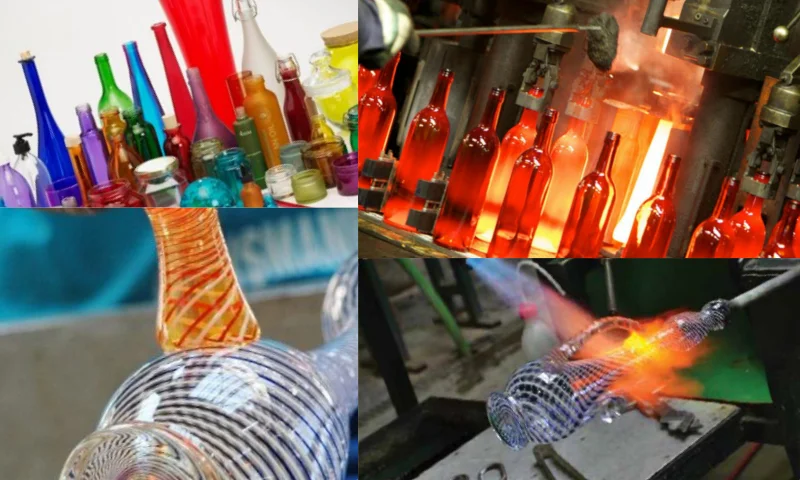
- Cooling and Shaping: The molten glass is removed from the furnace at a specific temperature and cooled. Then, the shaping process is carried out. Glass is shaped using appropriate molds for various products such as bottles, bowls, and window glass.
- Heat Treatment: The shaped glass is heated again at high temperatures in special furnaces to strengthen it and increase its durability.
- Cutting and Finishing: The glass, cut to the desired size and shape, undergoes final processes to become the final product. Glass production is completed by using surface treatments, edge treatments, and different glass coating techniques.
Raw Materials and Types Used in Glass Production
The raw materials used in glass production are important factors that determine the properties and quality of the glass. The most commonly used raw materials are:
- Silica (Sand): Silica, the main component of glass, determines the durability and transparency of the glass. Sand is the most common raw material used in glass production and is the basic component that determines the color of the glass.
- Soda Ash: Soda ash, which combines with silica to lower the melting temperature of glass and makes it easier to shape, plays an important role in the chemical composition of glass.
- Limestone: Limestone is another important component that reacts with silica and soda ash to enable the glass to become liquid.
Glass production can create different types of glass depending on the raw materials used. Float glass is a common type of glass used in windows and display cases. Borosilicate glass is preferred in laboratory equipment and kitchenware due to its high heat resistance properties. In addition, various types of glass such as colored glass, optical glass, and laminated glass can also be produced.
Industrial and Daily Life Applications of Glass Production
Glass production provides an important material widely used in many industrial sectors and daily life. Glass is preferred in many areas due to its durability, transparency, and chemical resistance. Glass production plays a major role in the construction industry. Windows, doors, display cases, wall panels, and decorative glass are examples of glass usage in construction. In addition, special applications such as glass bricks and structural glass are also frequently used in the construction sector. The importance of glass is also significant in the automotive industry. Car windows play a critical role in the safety of drivers and passengers. Laminated glasses reduce the risk of injury by preventing shattering in case of a collision. Glass mirrors are an indispensable part of automobiles to provide rear visibility. Glass is also frequently used in household items and kitchens. Glasses, plates, jars, coffee cups, and glass containers are among the glass products frequently encountered in daily life. In addition, glass bottles are widely used in the packaging of beverages and food products. Glass is also widely used in art and decoration. Decorative glass, stained glass, and glass sculptures highlight the aesthetic and visual appeal of glass. Art glass is an excellent material for artists to express their creativity.