CO2 Fire Suppression System: Uninterrupted Protection for Flammable Liquids and Power Generation Facilities
CO2 Fire Suppression System and Local Application Advantages
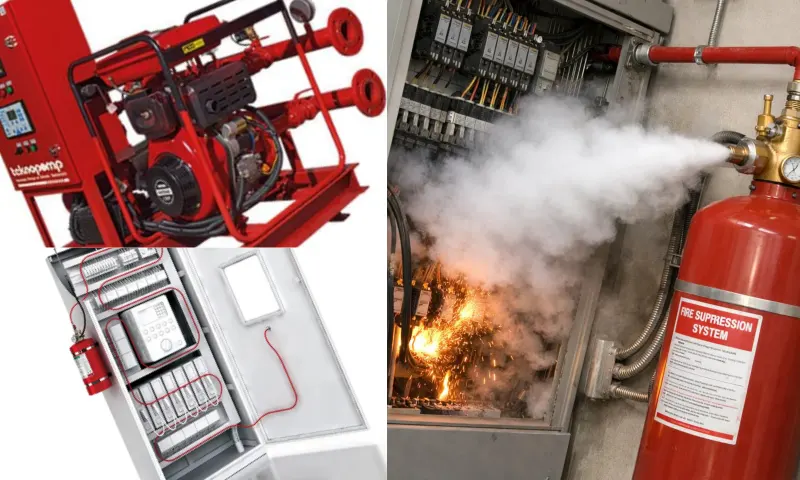
In a power plant or paint production facility, a small spark can escalate into a massive fire in just a few minutes. According to Ukaz Fire and Safety Systems' experience, the spreading effect of water in oil and chemical-based fires can fuel the disaster. The infrastructure of a CO2 fire suppression system integrated into your facility rapidly removes oxygen from the environment, cutting the combustion reaction at a chemical level. The CO2 fire suppression system takes its place at the forefront of the "defense line," especially in high-risk areas such as generator rooms, ship engine rooms, and flammable liquid storage tanks.
Technical Differences to Consider When Choosing a CO2 Fire Suppression System
Sometimes, targeting only a specific machine or unit instead of protecting the entire room is a much more sensible solution. With this method, which we call "local application," you can reduce costs while increasing efficiency.
- Pinpoint Intervention: Nozzles are directly placed on the specific machine where the fire risk is highest.
- Instant Cooling Effect: The low temperature at the moment of discharge absorbs the heat of the flames, reducing the risk of re-ignition.
- Reduces Production Downtime Risk: Since only the problematic unit is intervened, production in the rest of the factory is not interrupted.
One of the biggest mistakes in the industry is confusing standard cylinders with automatic systems. In an automatic system, everything from pipe diameters to nozzle angles requires an engineering calculation. An improperly designed pipeline can prevent the gas from filling the room with sufficient flow rate, leading to the fire not being extinguished. Therefore, it is necessary not only to purchase equipment but to transform that equipment into a "protection scenario." The system you install today is actually the only force that will keep your facility's memory and your years of effort in machinery operational during a crisis. Considering protection not just as a legal obligation, but as a business culture, will always put you one step ahead.