The Role of Whales in the Ecosystem
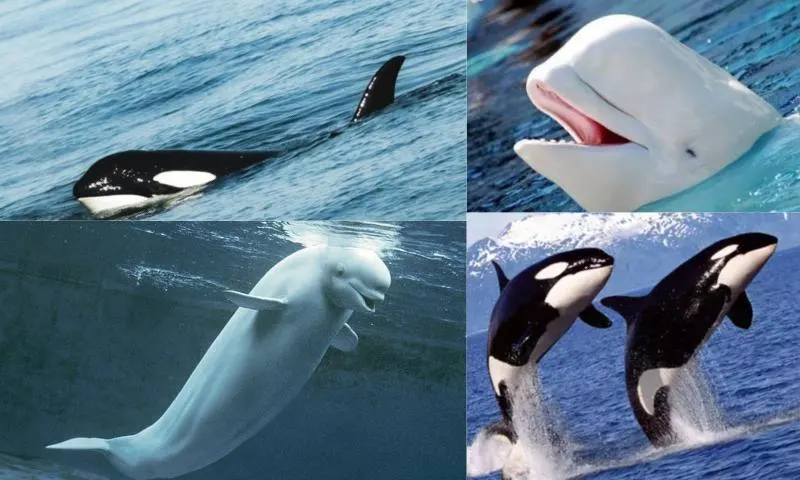
Whales are the largest and most impressive creatures in the world's oceans. These colossal marine mammals attract attention not only for their size but also for their impact on the ecosystem. Whales play a significant role in the ocean's biological cycle. Whales that feed by diving deep, in particular, ensure that nutrients supporting the food chain are transported to the ocean surface as they ascend. Furthermore, the feces of whales, which are part of their natural life cycle, provide the necessary nutrients for the growth of phytoplankton. Phytoplankton, in turn, contribute to the reduction of global warming by absorbing carbon dioxide from the atmosphere. Therefore, whales play a crucial role not only in maintaining the balance of marine ecosystems but also of the global climate. For information on this subject and to ask your questions, you can look at relevant online companies on web pages and examine them in detail.
Biological Characteristics and Types of Whales
Whales are divided into two main groups: toothed whales (odontoceti) and baleen whales (mysticeti), such as the blue whale, the largest of whale species. Toothed whales include dolphins and killer whales. Baleen whales feed on plankton, krill, and small fish and feed by filtering water through their mouths. Whales are known for their high levels of intelligence and complex social structures. Humpback whales, in particular, are notable for their songs used for communication. Some species undertake long, intercontinental migrations, changing their feeding and breeding grounds. These migrations contribute to maintaining ecosystem balance and also play an important role as part of the whales' survival strategies.
Conservation of Whales and Threats They Face
Whales have been hunted by humans throughout history, and some species are facing the threat of extinction. Commercial whaling in the 20th century led to a significant decline in the populations of many whale species. Although international whaling is now banned, some countries still continue this activity. Additionally, human-induced factors such as global warming, plastic pollution, ship strikes, and noise pollution also threaten whale habitats. The conservation of oceans is of great importance to securing the future of whales. Environmental protection projects, sustainable tourism practices, and conscious consumer choices can help these magnificent creatures survive. The conservation of whales is critically important not only for the sustainability of marine ecosystems but also for the overall health of our planet.