Underfloor Heating Systems

Underfloor heating system is a modern heating technology used to enhance thermal comfort in homes and workplaces. Compared to traditional radiator systems, it offers a more balanced temperature in living spaces by providing uniform heat distribution. As this system radiates heat upwards from the floor, every corner of the space is heated equally, and cold spots are eliminated. Energy efficiency is also one of the prominent advantages of underfloor heating systems. Its ability to operate at lower temperatures increases energy savings and consequently reduces heating costs. Furthermore, the system's placement under the floor provides an aesthetic appearance in rooms and eliminates the need for space-consuming equipment like radiators. This allows for more flexible use, especially in smaller areas. For information on this topic and to ask your questions, you can visit the relevant online companies on web pages and conduct a detailed review from there.
Types and Application Areas of Underfloor Heating Systems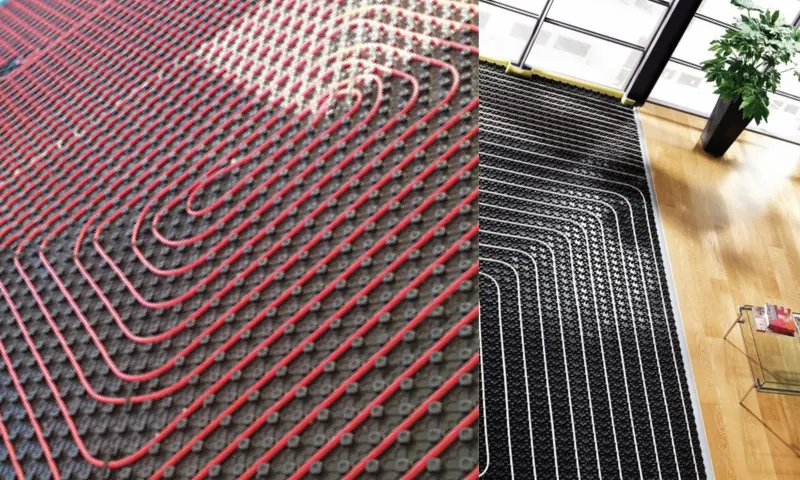
Underfloor heating systems are divided into two main types: water-based (hydronic) and electric. Water-based underfloor heating systems provide heating by distributing hot water to the floor through pipes. This system is generally ideal for large areas and structures with central heating systems. Electric underfloor heating systems provide heating with cables or film strips and are preferred more in small areas or where additional heating is needed. Underfloor heating systems have a wide range of applications in both residential and commercial areas. They are frequently preferred in frequently used areas such as bathrooms, kitchens, and open-plan living rooms. Additionally, underfloor heating systems are used in venues such as hotels, gyms, and shopping malls to provide comfort and energy savings.
Considerations for Underfloor Heating Systems
Proper planning and professional installation are of great importance during the installation of an underfloor heating system. The system, placed under the floor, should be installed with quality materials to ensure long-lasting and effective heating. Furthermore, the choice of flooring material also affects the system's efficiency. Materials with high thermal conductivity, such as ceramic, stone, and wood, provide better performance. Regular maintenance and checks of the system should also be performed. Especially in water-based systems, cleaning the pipes and correctly adjusting the water temperature support the longevity of the system. In electric systems, checking the cable connections is important. The underfloor heating system offers a modern heating solution in terms of both comfort and energy savings. With proper planning and installation, this system can add both warmth and aesthetics to your living spaces.